Over here, sensory activities are one of our favorite things to do. Sensory bins are an incredible tool to have for kids on so many levels. Sensory bins can be used for calming, fine motor practice, memory retention, imaginary play, introducing new information, or expanding on topics that have been previously introduced. Sensory play can help children become accustomed to many different textures from a young age and encourage them to be more open to new foods, clothing fibers, and ground textures. Basically, sensory bins can be an incredible resource for your kids no matter how simple or complicated you choose to make them.
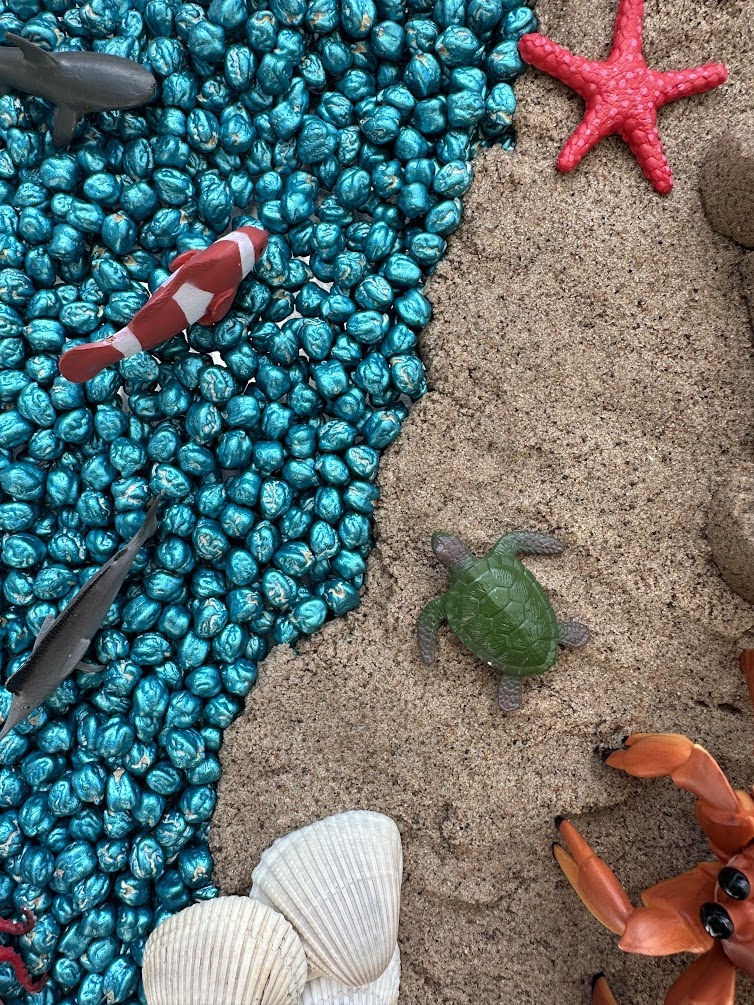
Because of the many colorful, complicated, and/or messy bins that gain popularity, many parents feel that sensory bins are too much hassle or mess to really be worth it. While I enjoy creating thought-out bins with a steep amount of prep work that do occasionally create a mess that I wasn’t expecting, I know that isn’t for everyone. Some people have their own sensory issues or don’t have the desire or time to have one more thing to prepare or clean up. If you don’t mind a mess, great! If the idea of spraying green cornflower slime off of your deck fills you with anxiety and rage, I’ve got your back. In this post I’ll include some rules and measures I take to keep our play as clean as possible, as well as some affiliate links for you to check out.
So how can you set yourself up for success no matter how you choose to set up sensory play? Easy:
- Know the basics. If you know what makes something “sensory” focused play, it can feel easier to jump in. Note: What makes great sensory play is NOT AT ALL how fancy the setup is.
- Participate in play. Kids will almost always get more out of play and play for longer if you come alongside them in some way. Even if I am sitting in a deck chair drinking my coffee, my 2.5 year old is always more engaged if I am discussing what he’s doing or asking questions than if I am completing some other task.
- Follow their lead and include their interests. Does your kid love animals? Make a jungle for them to play in! Obsessed with construction vehicles? A construction site just may be one of the most simple sensory play trays you can try!
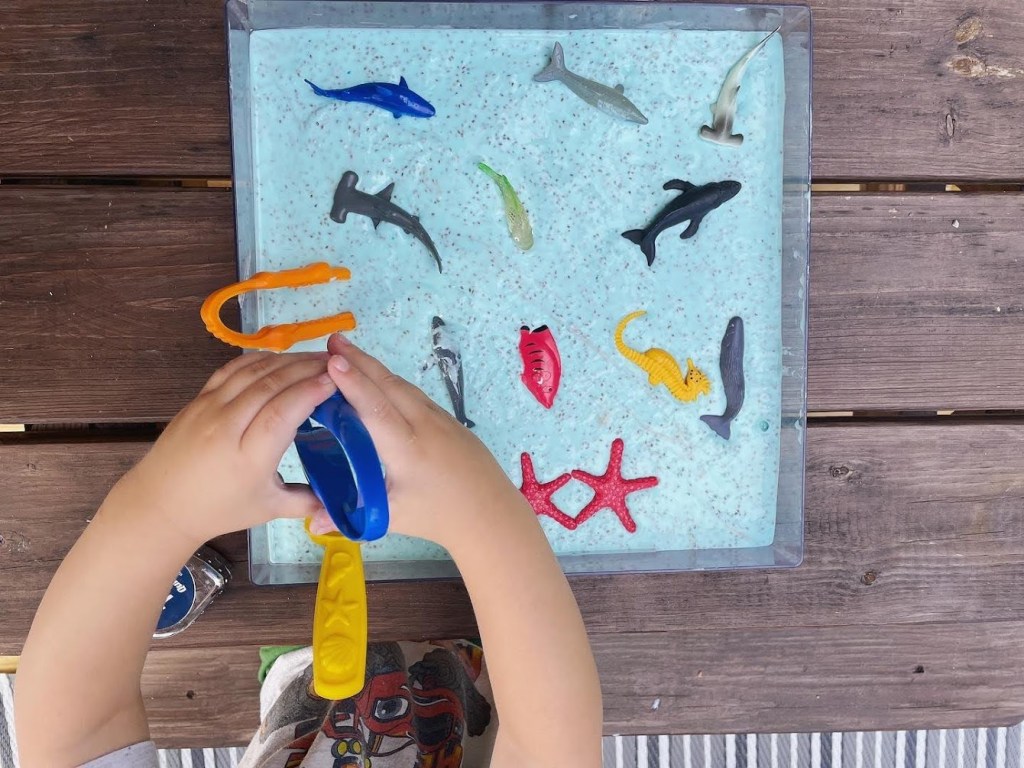
So what do you need to set up a sensory bin? Obviously, a reasonably sized, sturdy container is a must. My favorite is a clear 12″x12″ organizer from Target and I use that same bin for 98% of our setups. Once you have your container, sensory bins typically consist of three main “ingredients”. A base(rice, water, beans, etc., some type of loose parts(farm animals, letters, etc.), and tools(scoops, tongs, buckets,etc.).
Once you have your basic setup, how can you manage the mess without losing your marbles? I always set an expectation with my kids before setting up an activity and prepare the area to minimize mess as much as possible. I make no promises because toddlers can make a mess out of anything, but here are some things I try to limit the chaos without limiting the fun:
- No throwing or splashing
- We share or we’re all done playing
- It’s okay if we spill things while playing, but do your best to keep things inside the bins we’re using.
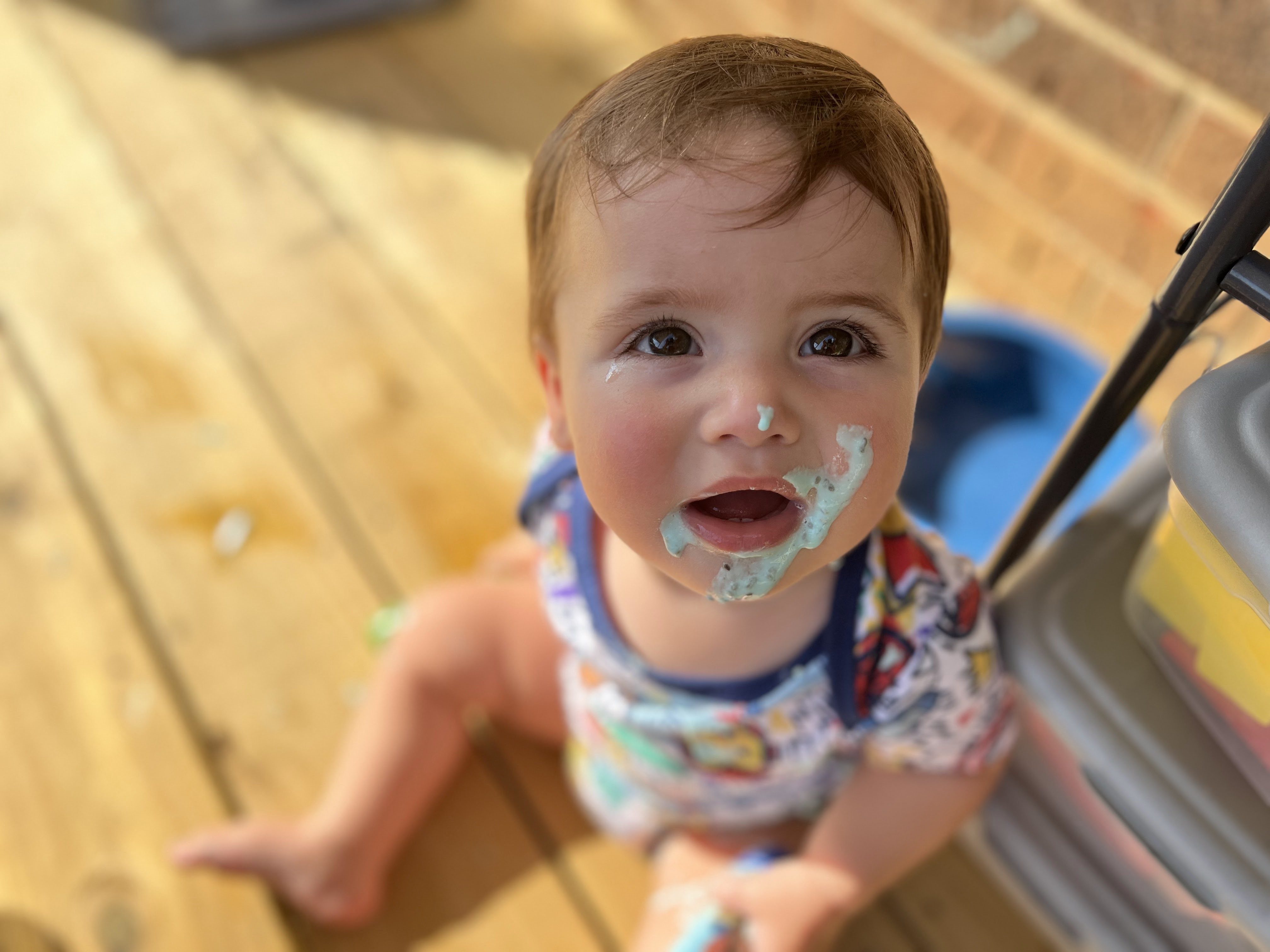
I expect my 2.5 year old and 12 month old to bend these rules a little while playing, so I view them more as practicing awareness than rules that they could get fussed at for breaking. A safe space to practice paying attention to what their actions cause around them is just another one of the things I love about sensory play. Because I know even with my rules in place that messes may happen, here is how I might prepare our play space:
- Towels or a waterproof mat like <a href="http://<a target="_blank" href="https://www.amazon.com/Waterproof-Playtime-Anti-Slip-Reusable-Portable/dp/B0BTRV6G6Z/ref=sr_1_6?crid=1KDYRYFOEESNQ&keywords=waterproof%252Bmat&qid=1696182871&sprefix=waterproof%252Bmat%252Caps%252C102&sr=8-6&th=1&_encoding=UTF8&tag=berealmama-20&linkCode=ur2&linkId=394bf984f414cd8659dc515cd531f1fc&camp=1789&creative=9325">Waterproof Matthis are great for water play, but I’ll also use them for other loose bases like rice so that after we’re done I can roll up the towel and dump the excess back into the bin.
- Silicone mats like <a href="http://<a target="_blank" href="https://www.amazon.com/Munchkin-Silicone-Placemats-Kids-Purple/dp/B07L4DHXTT/ref=sr_1_3?crid=3KQC50VBACSS8&keywords=munchkin+silicone+mat&qid=1696086213&sprefix=munchkin+silicone+mat%252Caps%252C100&sr=8-3&_encoding=UTF8&tag=berealmama-20&linkCode=ur2&linkId=198cb25c3b7bfbc4a4c5942369072edf&camp=1789&creative=9325">Silicone Matsthese are great for play dough. Play dough can leave behind a residue on some surfaces so I like to lay out a silicone mat or put it in a tray.
- Some people recommend placing smaller bins inside of a larger bin to catch excess from loose bases. I think this is a great idea, but with little storage space and little desire to spend money on extra bins, it isn’t the choice that works for my family.
- Have a hand washing station nearby for messy play. My toddlers have a harder time with messy play, so a hand washing station where they can have a fresh start and clean hands can encourage them to play for longer. A hand washing station can be simple, a bowl of water or water table and a hand towel are great options. We also have <a href="http://<a target="_blank" href="https://www.amazon.com/Cute-Stone-Sensitive-Thermochromic-Dishwasher/dp/B07MLYQLX1/ref=sr_1_1_sspa?crid=17MVOEX0HWFX4&keywords=play+sink&qid=1696184587&sprefix=play+sink%252Caps%252C121&sr=8-1-spons&sp_csd=d2lkZ2V0TmFtZT1zcF9hdGY&psc=1&_encoding=UTF8&tag=berealmama-20&linkCode=ur2&linkId=a2e5138359e4c85896b01a6bfe0c6a26&camp=1789&creative=9325">Play Sinkthis play sink that is one of my kid’s favorite toys ever.
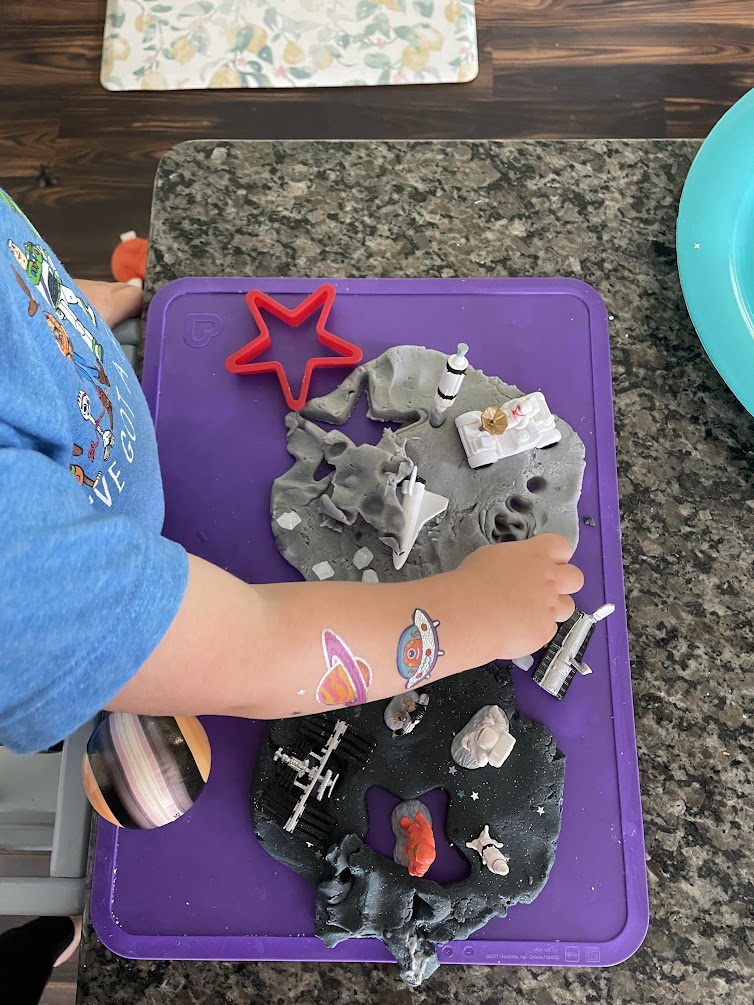
When it comes down to it, there’s always going to be some kind of mess when kids are playing. With all of these tactics, mess will be limited and much more manageable. In my opinion, the benefits of sensory play really outweigh the annoyance of extra cleanup. However, I don’t like extra cleanup any better than the next mom. The most realistic way I manage the mess is to go outside whenever possible. That way I can sweep or spray off the deck and not worry about every little thing. When outside isn’t an option I lean much more on play dough setups or things like pom pom sorting or kinetic sand because I feel like they are the most simple to clean up indoors.
I think that lays the groundwork for some of the ways you can get started with sensory play. One of my next posts will cover some pros and cons of bases we’ve used, including the mess factor and how likely it is you’ll be giving a bath afterwards. For now, you can’t go wrong with tossing some extra toys in the bath with a drop or two of food coloring and encouraging some sensory play while you take that deep breath you’re gonna need to get through bedtime.
 Be Real, Mama